WildryeNative & Waterwise
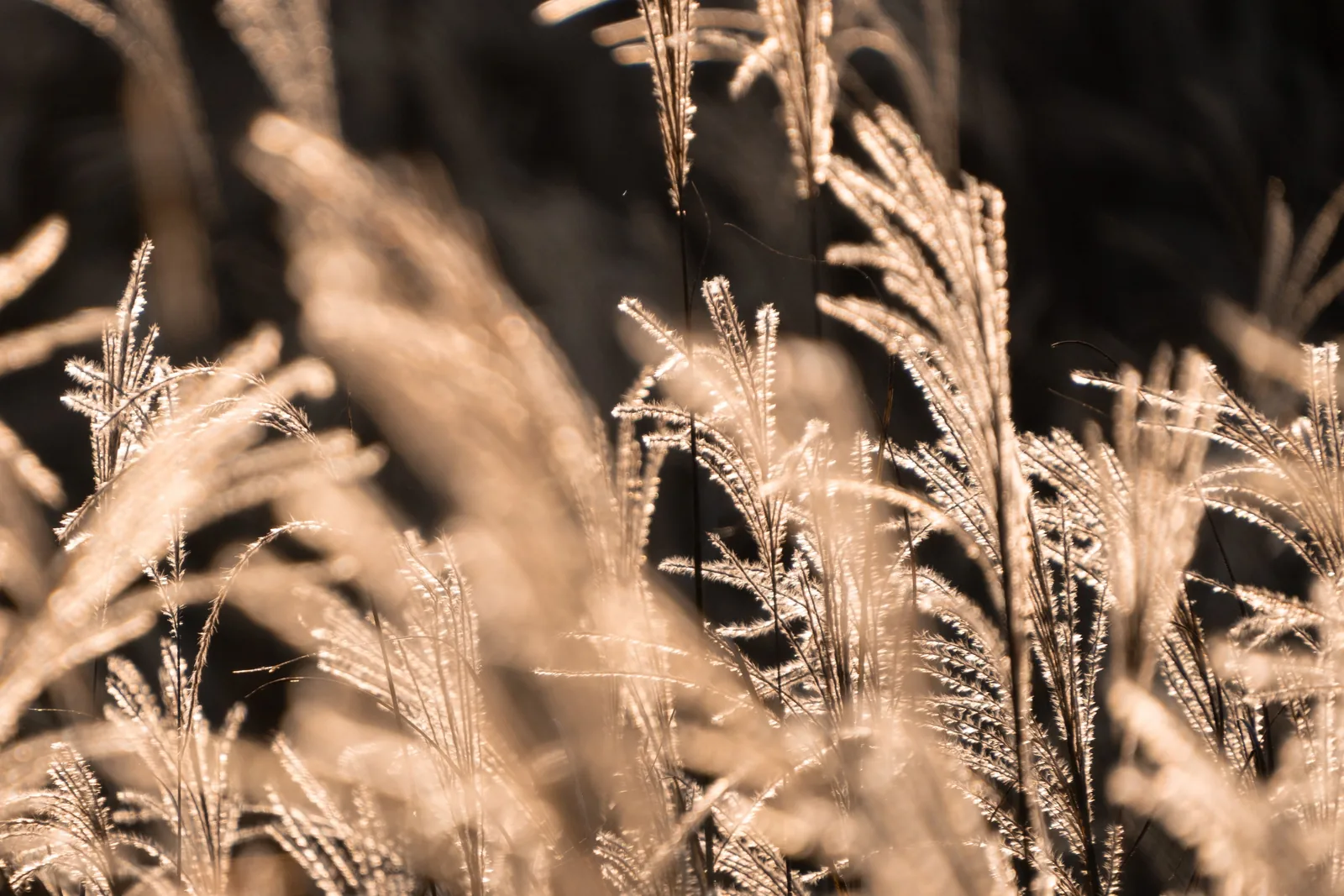
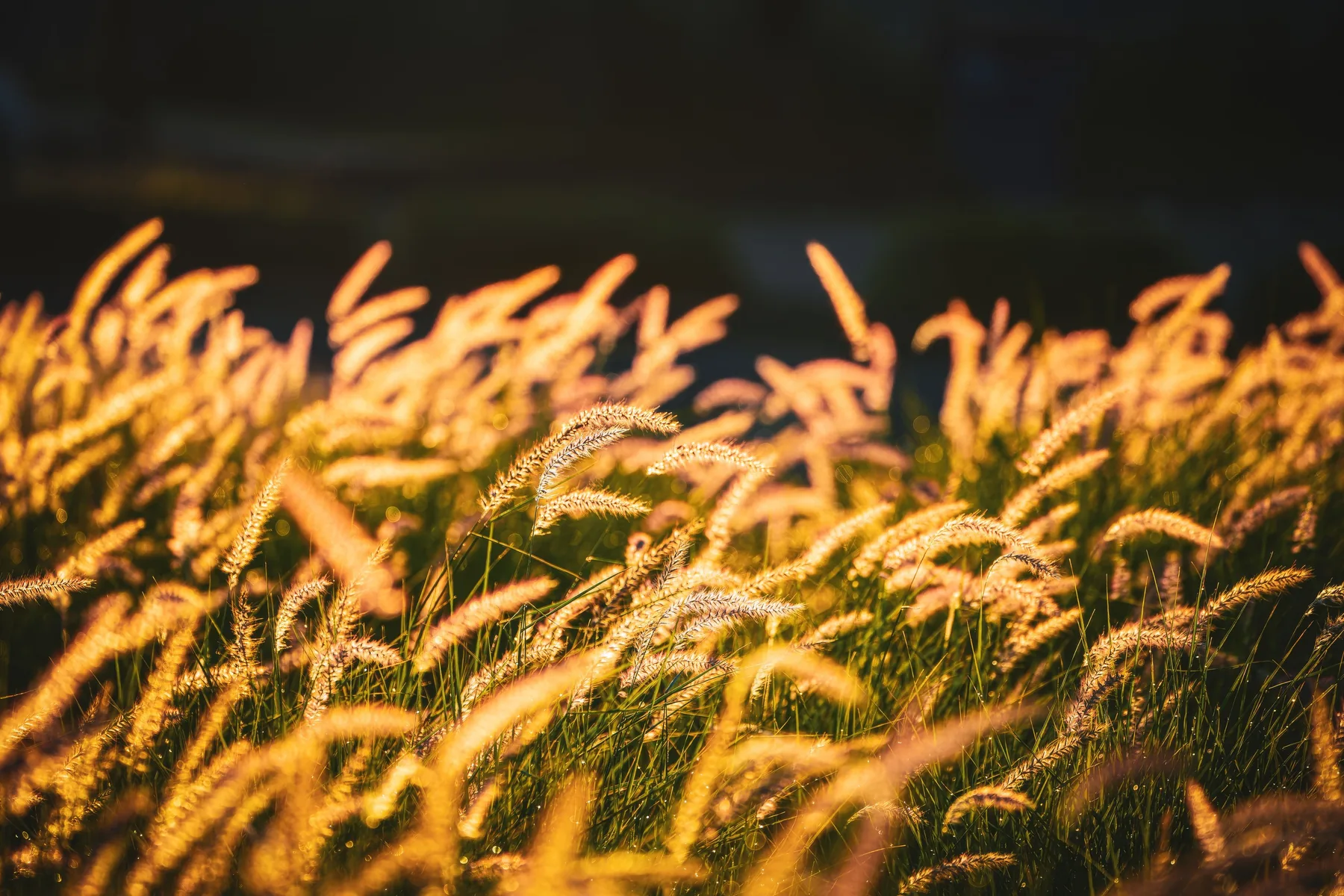
Native prairie grasses backlit by low evening sun

Native & waterwise landscape design · Denver & the Front Range

A yard that still looks alive in August.

We design and build native plantings, dry creek beds and waterwise gardens across the Front Range — sized for hail, drought and a Denver August, not for a catalogue photograph.

Licensed & insured 12 years on the Front Range Plants guaranteed two seasons
340Gardens built
58%Average water saved
12Years on the Front Range
4.9From 180 reviews

The part nobody shows you

The same forty feet
of front yard.

A finished garden is pretty. A before and after is evidence — and it is the one thing almost nobody in this trade puts on their website. Drag the handle.

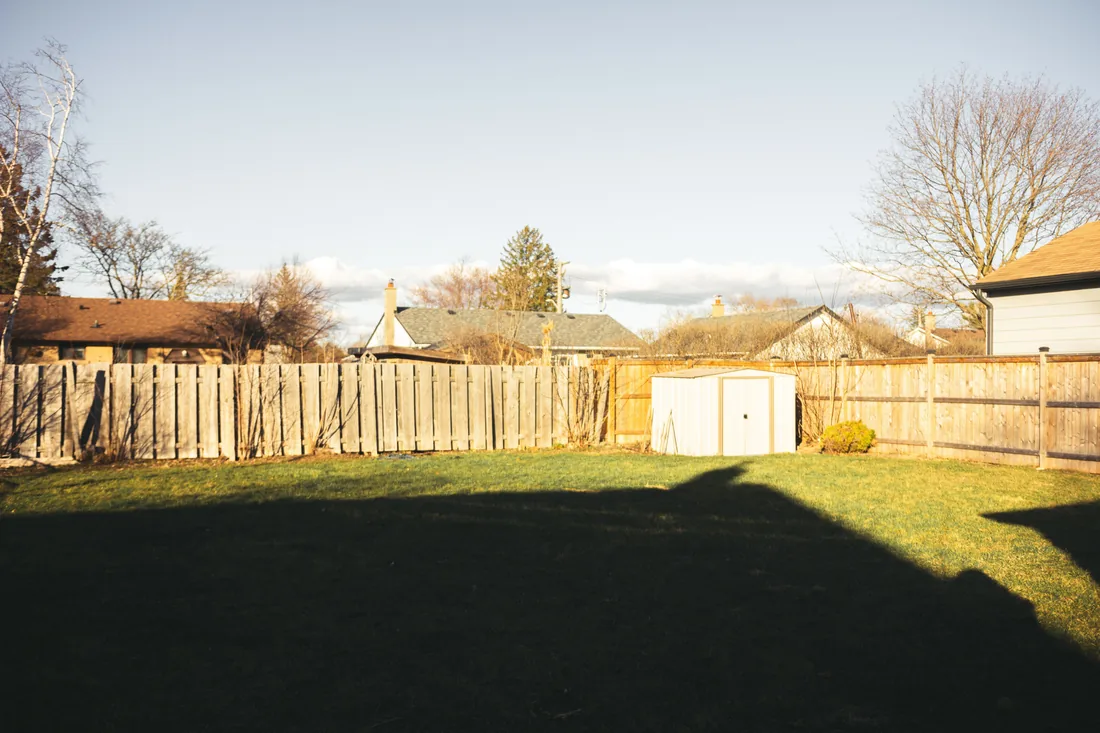
A bare Front Range back yard with thin turf and a wooden fence The same yard replanted with native grasses, perennials and gravel mulch Before · April After · 14 months

Arvada, CO · 1,900 sq ft of bluegrass removed, replaced with buffalo grass, little bluestem and a dry creek that takes the roof runoff. Irrigation converted to drip on the same visit.

What the neighbours said

Reviewed by the people
who live with it.

4.9

180 reviews on Google

Our water bill in July went from $210 to $86 and the front looks better than the lawn ever did. They gave us a plan with every plant named so we knew what we were getting before anyone dug anything.

DM Dana MirelesArvada · 3 months ago on Google
I was worried a native garden would look like a vacant lot. It does not. It was the hailstorm in June that sold me — the neighbours lost everything and ours came back in a fortnight.

PK Peter KowalczykLittleton · 5 months ago on Google

They handled the HOA submission themselves, which is the only reason this ever happened. Two seasons on they still come out each spring to cut things back and replace the two shrubs that did not take.

SO Sarah OyelaranBroomfield · 11 months ago on Google

How it goes

Four steps, and you see
the drawing before we dig.

The thing people are really asking when they hesitate is what actually happens after they call. This is all of it.

01

Site walk

We read your soil, slope, sun and where the water already goes. About an hour, on your property, free.

02

Planting plan

A drawing with every plant named and a price against it. Change it as many times as you like — it costs nothing until it is built.

03

Build

Turf out, beds shaped, boulders set, irrigation converted to drip, then planting. Most front yards are four to six days.

04

Two seasons of care

We come back through establishment — cutbacks, watering checks and any plant that did not take, replaced.

Recent work

Front Range gardens,
two to four years on.

Every photograph here is a garden past its establishment period. A native planting in its first summer tells you nothing.

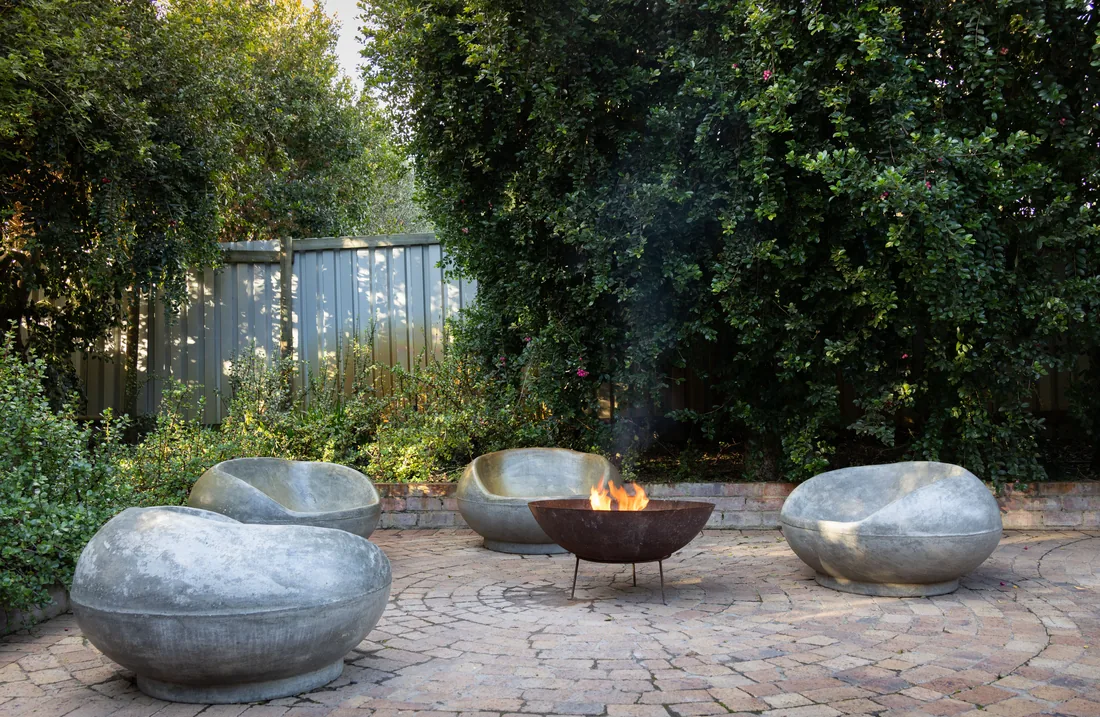
A gravel courtyard with stone seating around a fire bowl
A courtyard that takes the windGolden · 2023
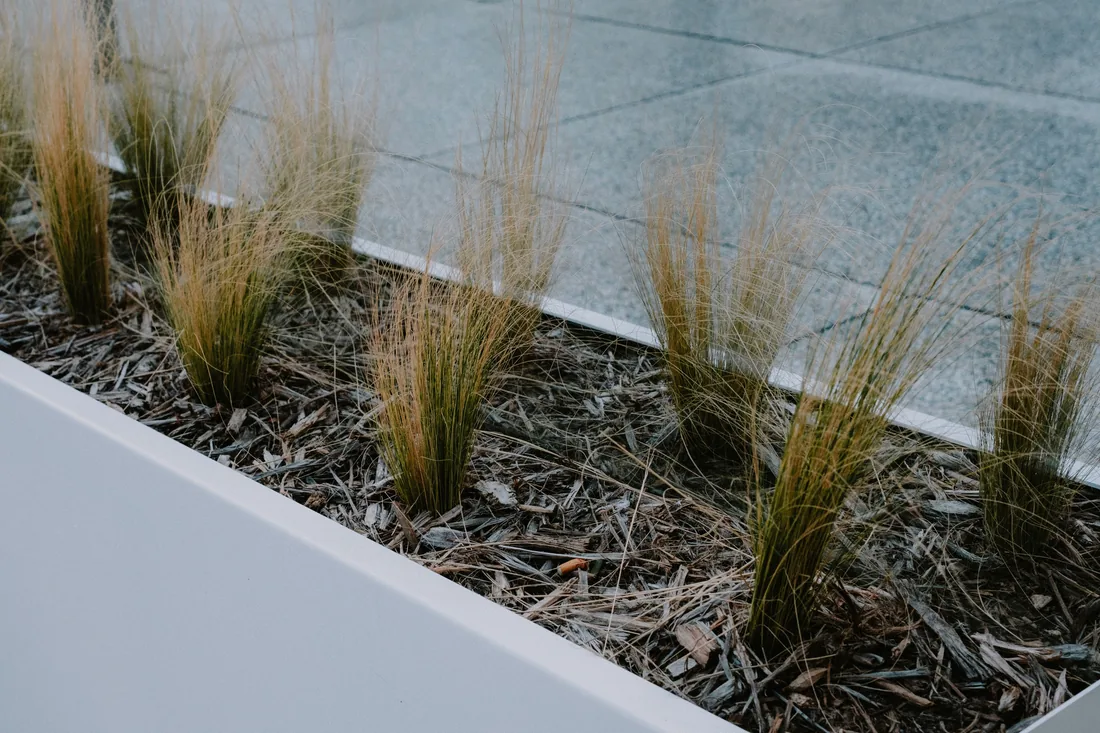
Ornamental grasses in gravel mulch beside a paved path
Grass border along the driveBoulder · 2022
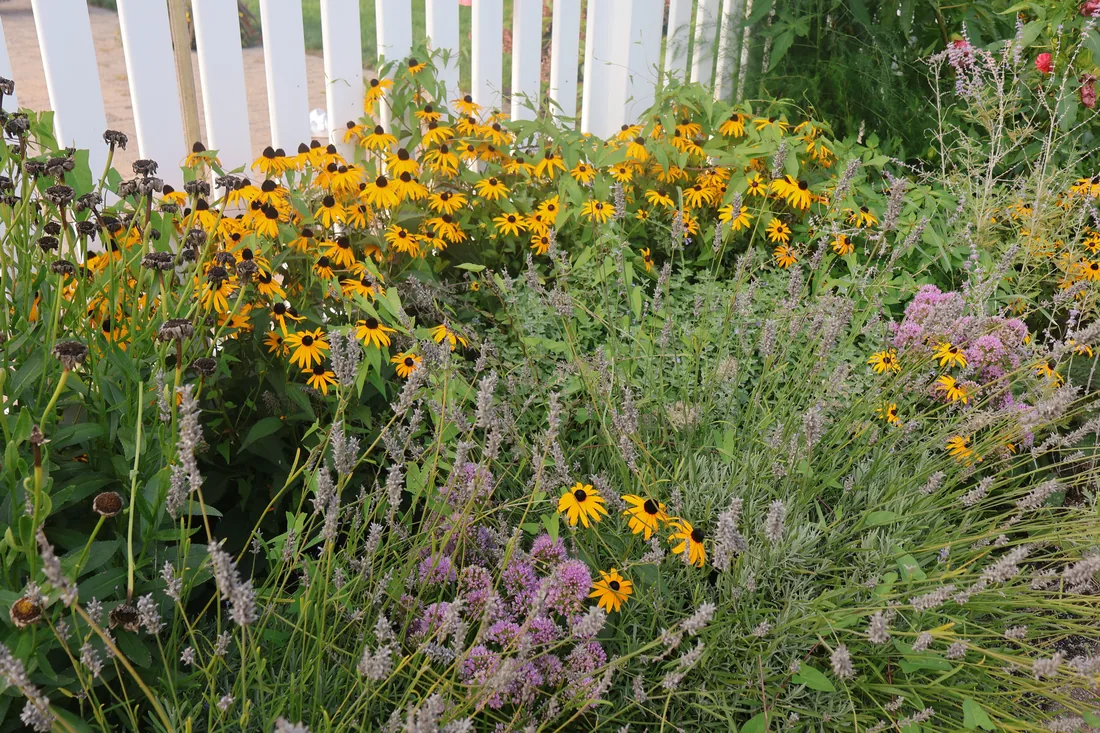
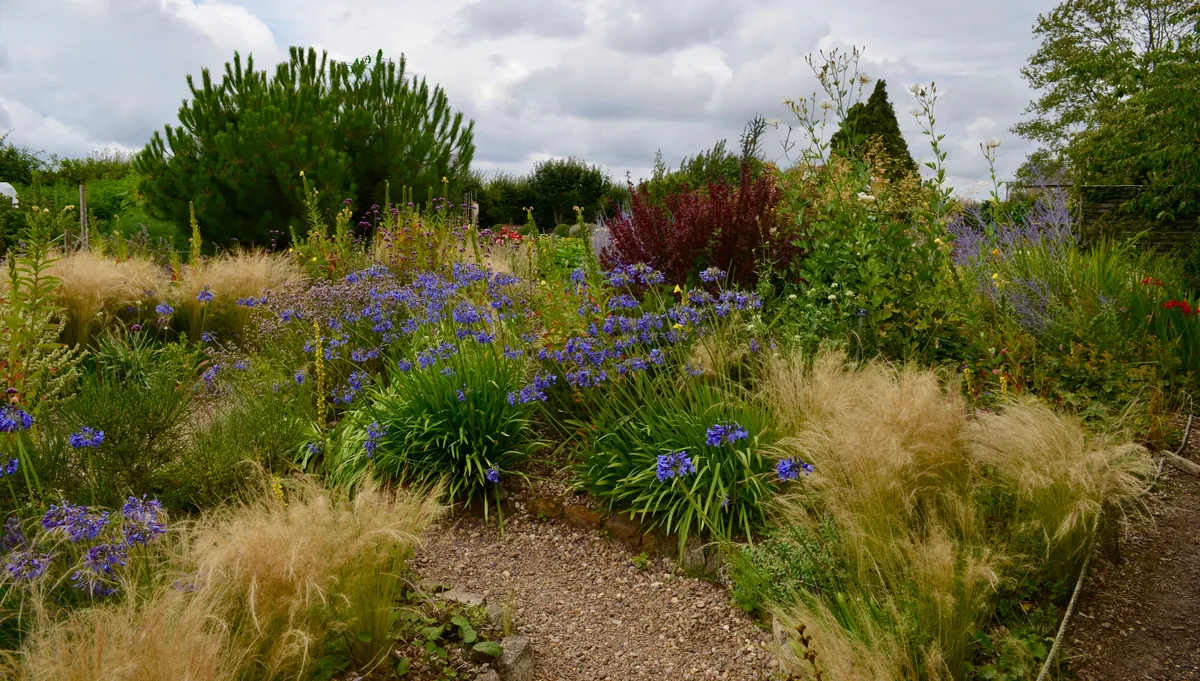
A deep border of coneflowers, lavender and ornamental grasses
Pollinator border, 90 feetLittleton · 2021
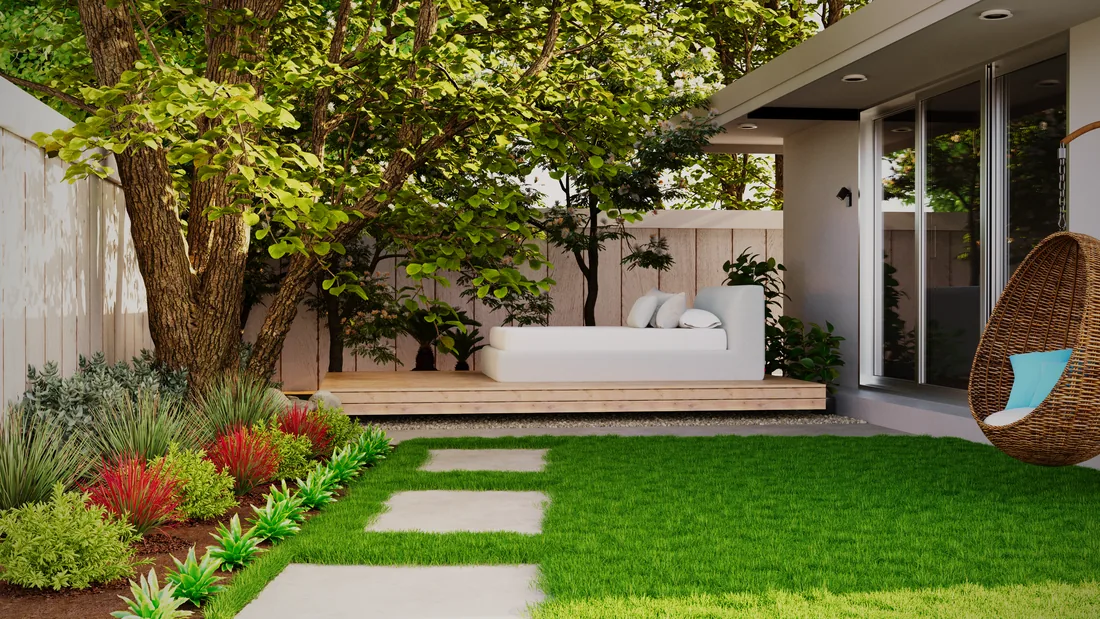
A modern back garden with a paved path, planting bed and small lawn
Half the lawn kept, for the dogWheat Ridge · 2023

What we do

Ten things, done properly,
rather than everything.

We do not mow, we do not plough snow and we do not build decks. This is the whole list.

Native planting designFront Range species, chosen for your soil and aspect
Lawn replacementBluegrass out, buffalo grass or planting in
Dry creek beds & drainageRoof and driveway runoff put somewhere useful
Drip irrigation conversionSpray heads swapped for drip on the same visit
Boulder & flagstone workColorado buff and moss rock, set not dropped
Pollinator & prairie gardensPlanted for succession, so something is always out
Xeric front yardsThe whole front, designed as one thing
Rain gardensA basin that soaks a downpour instead of shedding it
Tree & shrub selectionSpecies that survive a late frost and a hailstorm
Establishment careTwo seasons of cutbacks, checks and replacements
Seed heads of native grasses in soft afternoon light

Anyone can plant a garden. The work is making it survive its third winter.

Why us and not the other quote

Four differences you can
check before you sign.

01

Every plant is named on the plan

Not "assorted perennials". You get a drawing with species, quantities and a price against each, so you can price it against anyone else honestly.

02

We size for hail, not just for drought

Everyone on the Front Range designs for water. Far fewer design for the June hailstorm, which is what actually kills a new planting here.

03

The irrigation gets converted too

A xeric planting still on spray heads wastes most of what you saved. We change the system in the same visit rather than leaving it to a plumber.

04

We handle the HOA submission

Front Range covenants are the single most common reason a project stalls. We prepare and file the packet ourselves, at no charge.

Where we work

Denver and the
northern Front Range.

One crew, one region. We do not travel past Fort Collins, because coming back for two seasons of establishment care only works if you are close.

DenverBoulderArvadaGolden LittletonLakewoodWheat RidgeLouisville SuperiorBroomfieldWestminsterEnglewood

Not on the list? Ring us anyway — if you are within about forty minutes of Arvada the answer is usually yes.

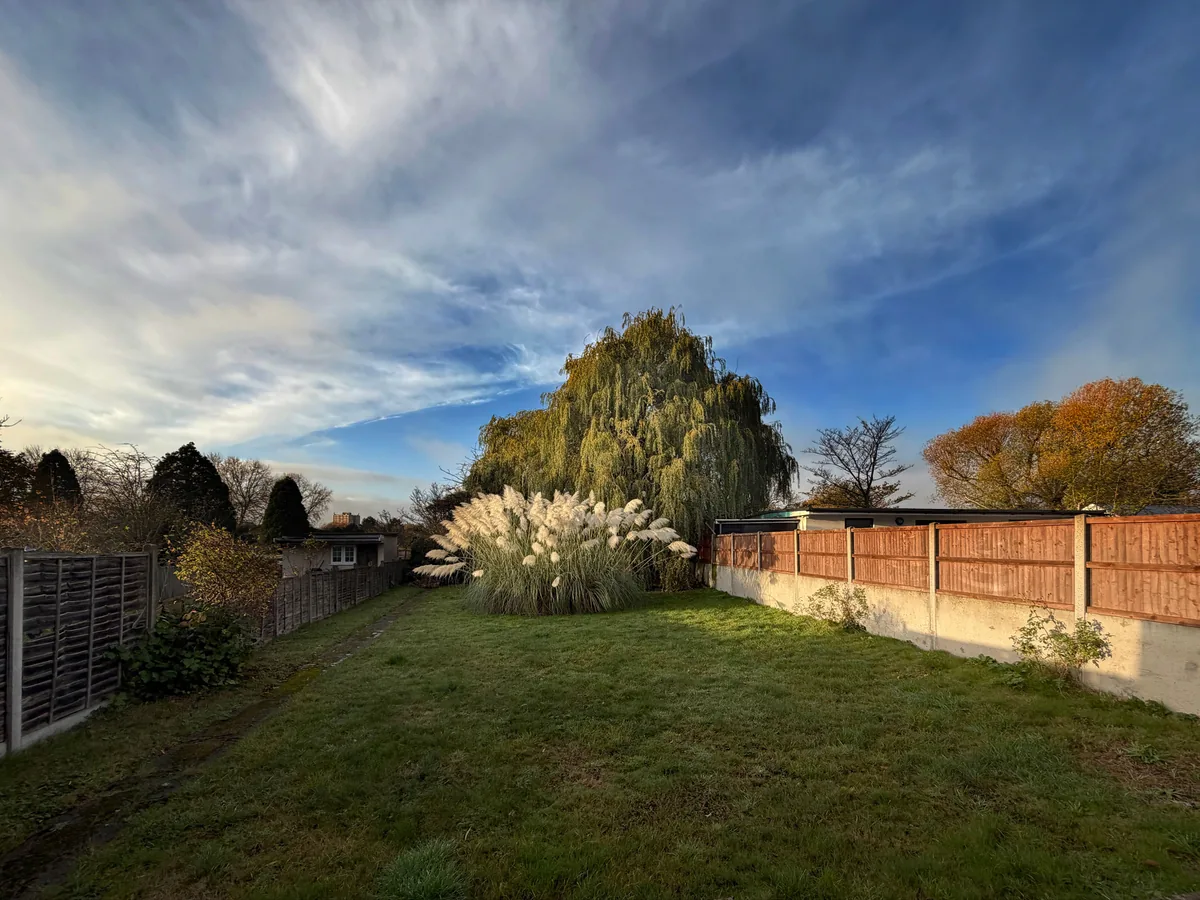
A Front Range back garden bounded by a timber fence

The questions we actually get

Six honest answers.

This is the first thing almost everybody asks. The difference between a native garden and a vacant lot is structure — repeated masses, a clear edge, boulders and paths holding it together. Look at the Littleton border in the work above: that is entirely native planting.

Across the gardens we have metered, the average is 58% off the outdoor portion of the bill once established, and establishment takes two seasons during which you will water more than you expect. We will tell you the honest number for your yard at the site walk rather than the brochure one.

No, and we often argue against it. If you have children or a dog, keeping a small well-shaped patch of turf and converting everything around it uses less water than a large thin lawn and looks deliberate rather than half-finished.

A typical Front Range front yard conversion runs $9,000 to $22,000 depending on square footage, how much turf has to come out and how much stone goes in. Back gardens with drainage work go further. You get a per-line price on the plan before anything is committed.

Almost always, and Colorado law now limits how far covenants can restrict waterwise landscaping. We prepare and file the submission ourselves — plans, plant list and photographs — because a rejected packet is the most common reason these projects stall.

We replace them for two full seasons, which covers the period when losses actually happen. It is in the contract rather than in a sales conversation. Beyond that we will still come and look, and tell you honestly whether it was the plant or the watering.

Free design visit

Five questions,
then we come and look.

No charge and no drawing produced until you have seen a price. Most people hear back the same afternoon.

Would rather talk to somebody?

(303) 555-0148

Monday to Friday, 7am–5pm
Saturday mornings by arrangement

We will never pass your details to anybody else.

Thank you — that is booked.

We will ring you on the number you gave to arrange a time. If it is urgent, (303) 555-0148 reaches the crew directly.